
Research Paper Publication: A Complete Guide for Scholars and Academicians
In today’s competitive academic and research-driven environment, publishing scholarly work has become an essential milestone for students, researchers, and professionals. Research Paper Publication not only validates original ideas but also helps in sharing knowledge with the global academic community. Whether you are a postgraduate student, PhD scholar, or an independent researcher, understanding the publication process is critical to achieving academic success.
This guide explains the importance, process, types of journals, challenges, and best practices involved in publishing a research paper successfully.
What Is Research Paper Publication?
Research paper publication refers to the process of submitting a well-documented and original research study to an academic journal for peer review and public dissemination. Once accepted, the paper becomes part of the scientific or academic literature, allowing other researchers to read, cite, and build upon the findings.
This process ensures that research meets quality standards and contributes meaningful insights to a specific field of study.
Importance of Publishing Research Papers
Publishing research work offers multiple academic and professional advantages:
Academic Recognition
A published paper establishes credibility and demonstrates expertise in a particular subject area. It plays a significant role in academic promotions and higher education opportunities.
Knowledge Sharing
Publications help disseminate innovative ideas, methodologies, and findings to a wider audience, fostering intellectual growth.
Career Advancement
Many universities, research institutions, and funding bodies consider publications an important criterion for selection, grants, and fellowships.
Citation and Impact
Well-published work can be cited by other researchers, increasing academic influence and research impact over time.
Types of Research Journals
Selecting the right journal is crucial for successful publication. Journals can be classified into several categories:
Peer-Reviewed Journals
These journals evaluate manuscripts through expert reviewers, ensuring accuracy, originality, and academic integrity.
Open Access Journals
Such journals make research freely available to readers worldwide, increasing visibility and citation potential.
Subscription-Based Journals
Access is limited to subscribers, but these journals often carry strong reputations in academic circles.
Indexed Journals
Journals indexed in databases like Scopus, Web of Science, or PubMed provide higher credibility and global reach.
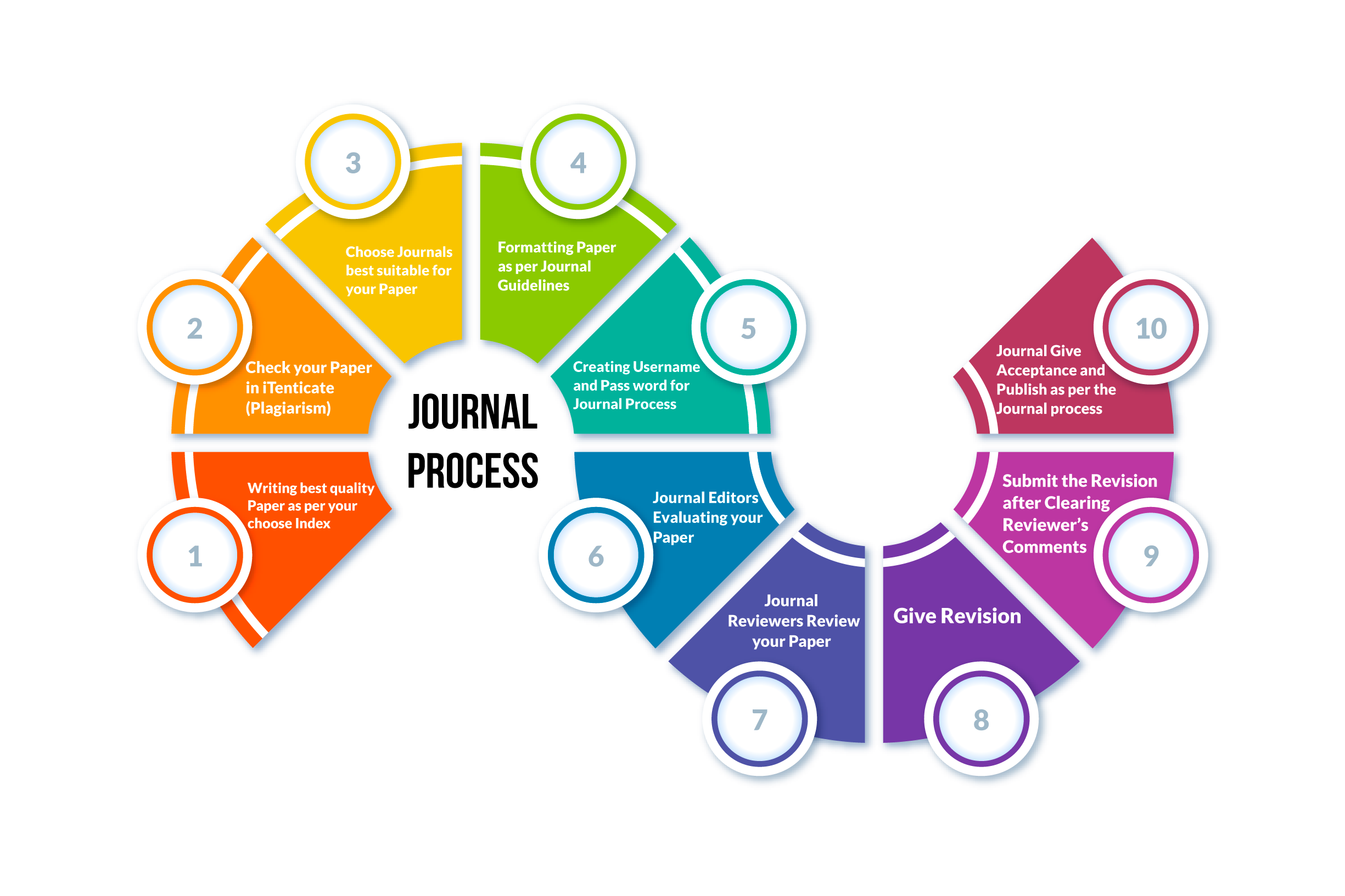
The Research Paper Publication Process
Understanding the step-by-step process can significantly improve acceptance chances.
Step 1: Topic Selection
Choose a relevant, original, and researchable topic aligned with your field of study. A strong research question forms the foundation of a quality paper.
Step 2: Conducting Research
Collect data using appropriate methodologies such as experiments, surveys, case studies, or theoretical analysis. Ensure ethical standards are followed.
Step 3: Writing the Manuscript
Structure the paper clearly, typically including:
-
Abstract
-
Introduction
-
Literature Review
-
Methodology
-
Results
-
Discussion
-
Conclusion
-
References
Step 4: Journal Selection
Match your manuscript with the journal’s scope, audience, and submission guidelines.
Step 5: Submission
Submit the paper through the journal’s official platform along with required documents such as cover letters and declarations.
Step 6: Peer Review
Experts review the paper and may suggest revisions. This stage is crucial for improving quality.
Step 7: Acceptance and Publication
After revisions and final approval, the paper is published and made accessible to readers.
Common Challenges Faced by Researchers
Despite quality research, many authors face difficulties during publication.
Manuscript Rejection
Rejections often occur due to poor formatting, lack of originality, or mismatch with journal scope.
Language and Formatting Issues
Improper grammar, unclear writing, or failure to follow journal guidelines can lead to delays.
Plagiarism Concerns
Even unintentional similarity can result in rejection. Originality is mandatory.
Long Review Timelines
Peer review may take weeks or months, requiring patience and follow-ups.
How to Improve Acceptance Rates
Following best practices can significantly enhance success in research paper publication.
Choose the Right Journal
Always review previously published articles to ensure alignment with your topic.
Maintain Originality
Use plagiarism detection tools and properly cite all sources.
Follow Author Guidelines
Adhere strictly to formatting, word count, and referencing styles specified by the journal.
Write Clearly and Concisely
Avoid unnecessary jargon. Present ideas logically and professionally.
Revise Thoroughly
Incorporate reviewer feedback carefully and respectfully.
Role of Professional Publication Support
Many researchers opt for professional assistance to streamline the publication process. Expert services can help with:
-
Journal selection
-
Manuscript editing and proofreading
-
Plagiarism reduction
-
Formatting as per journal standards
-
Submission and revision support
Such guidance can be especially beneficial for first-time authors or those facing repeated rejections.
Ethical Considerations in Research Publishing
Maintaining ethical standards is essential throughout the publication journey.
Avoid Data Fabrication
All results should be accurate and verifiable.
Proper Authorship
Only contributors who played a significant role should be listed as authors.
Conflict of Interest Disclosure
Any financial or professional conflicts must be declared.
Respect Copyright Laws
Do not reuse figures, tables, or content without permission.
Emerging Trends in Academic Publishing
The research publishing landscape is evolving rapidly.
Digital Journals
Online platforms enable faster dissemination and wider accessibility.
Interdisciplinary Research
Journals increasingly encourage studies combining multiple disciplines.
Open Science Movement
Transparency in data sharing and methodologies is gaining importance.
AI-Assisted Research
Technology is being used for data analysis, plagiarism checks, and manuscript optimization.
Why Research Paper Publication Matters for Students and Professionals
For students, publications enhance academic profiles and improve chances of admission to top universities. For professionals, published work builds authority, supports innovation, and opens opportunities for collaboration.
In a global academic ecosystem, publishing research is no longer optional—it is a necessity for growth, recognition, and contribution to society.
Conclusion
Research paper publication is a structured yet rewarding process that demands originality, clarity, and persistence. By selecting the right journal, following ethical practices, and adhering to publication guidelines, researchers can significantly improve their chances of success.
Whether you are beginning your academic journey or advancing your research career, a well-published paper serves as a lasting contribution to knowledge and professional excellence. With the right approach and support, publishing high-quality research becomes an achievable goal rather than a daunting challenge.